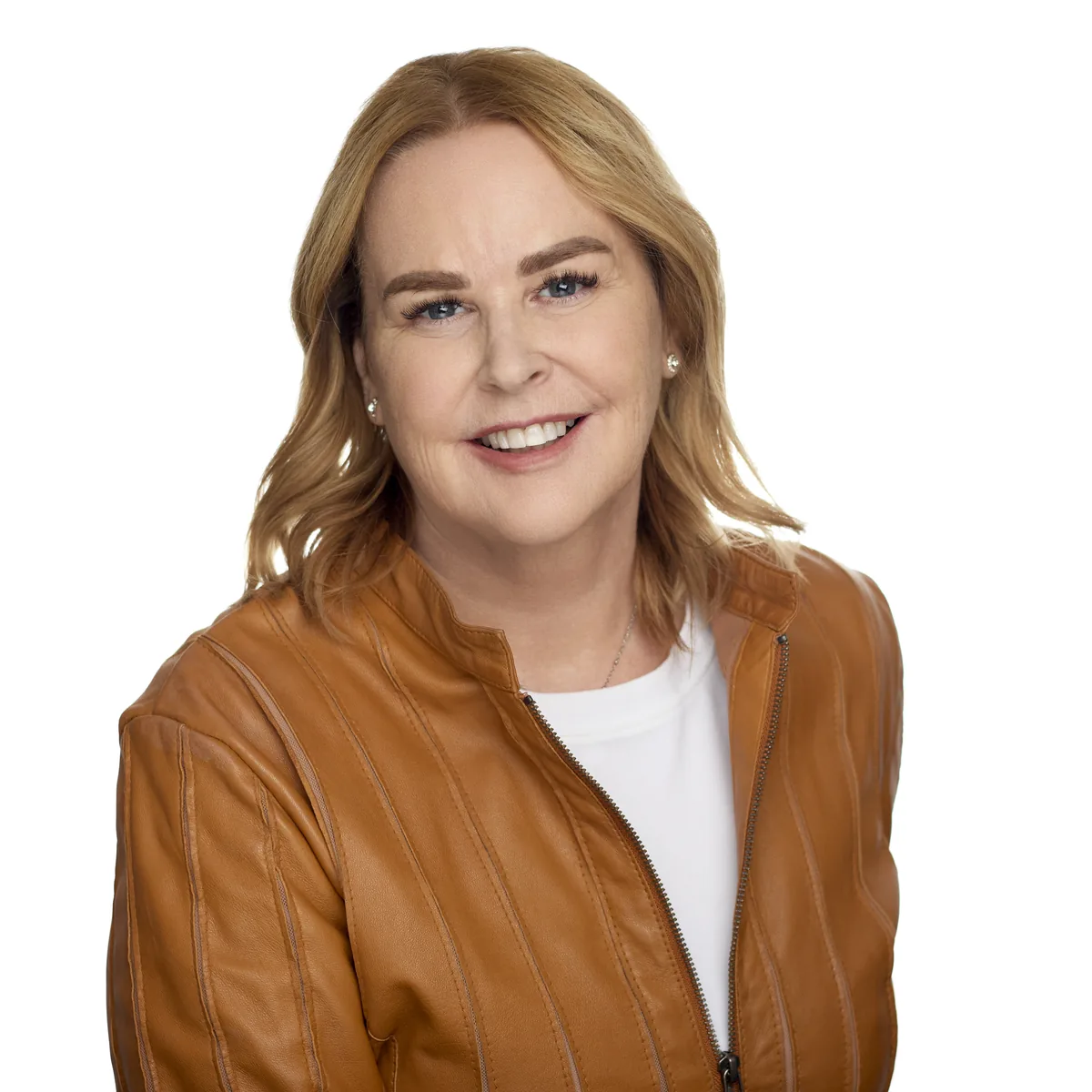
Emma Morgan
MSW, RSW · Therapist

Emma's Availability
Emma is currently supporting her existing clients ahead of her upcoming leave beginning December 1, 2026. She is not accepting new clients at this time and is anticipated to return in late spring 2027. If you were hoping to work with Emma, our Therapist Matching Form helps our team connect you with another therapist who's a good fit.
Already working with Emma? Your sessions continue as planned. To book or change an appointment, use the links in your appointment emails or contact Client Services at 403 668 7561 or reception@yourcounselling.ca.
Emma's Approach to Therapy
Emma's integrative approach is grounded in respect, empathy, and a deep belief in each client's potential for growth and change. Working from a strengths-based and highly relational perspective, her clinical philosophy is rooted in attachment theory — the importance of strong, healthy relationships formed in early childhood that inform how we understand and relate to the world. Using a variety of trauma-informed, somatic-based practices, including Cue-Centred and Accelerated Resolution Therapy, Emma helps clients uncover the thought patterns and physiological responses that have limited them, and re-author their stories so they can become the protagonists of their own lives. She also uses her training in Systemic Family Therapy to empower families to deconstruct problematic patterns and co-construct healthier responses through improved communication and self-awareness.
Emma's Specialties
Emma is a Registered Social Worker with a passion for working with families, adolescents, and young adults. She holds a Master's in Clinical Social Work from the University of Calgary with a specialization in Child and Adolescent Mental Health, and draws on systemic thinking to help individuals explore their personal strengths while navigating family and social dynamics and building meaningful connections within themselves and with others.
I believe deeply that our relationships shape us, especially within our families, but also in the relationship we have with ourselves. Therapy can help people understand the patterns and behaviours that influence connection with the people that matter the most, and help us move forward with more intention.