
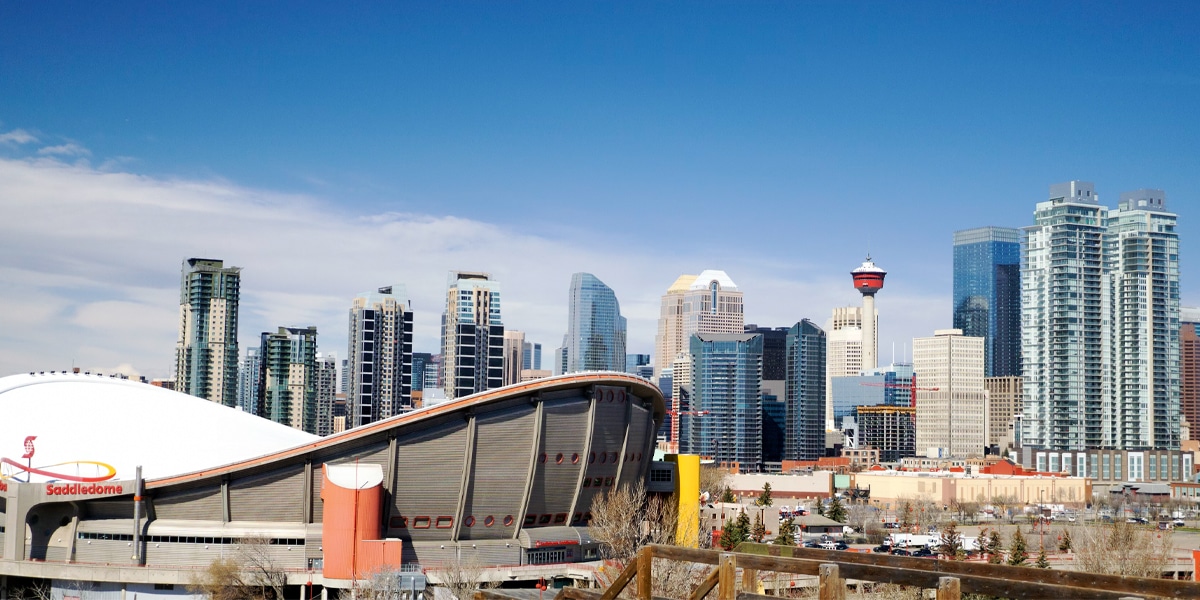
Updated for 2026
Summer is often presented as the season everyone should enjoy. Longer days, patios, vacations, outdoor events, school breaks, and sunshine can make it seem like people are supposed to feel happier, more social, and more energized.
But not everyone feels better in summer. Some people feel more anxious, irritable, restless, lonely, tired, overwhelmed, or depressed when the weather gets warmer and routines change. In Calgary, summer can also bring long daylight hours, heat, wildfire smoke, disrupted sleep, social pressure, financial strain, and schedule changes that affect mood.
If your mood drops in the summer, it does not mean you are ungrateful or strange. Summer depression is real, and support can help.
What is summer depression?
Summer depression refers to depressive symptoms that show up or worsen during the spring or summer months. It is sometimes connected to summer-pattern seasonal affective disorder, also called summer SAD.
Most people associate seasonal affective disorder with winter. That pattern is more common. But some people experience the opposite pattern, where depression symptoms appear during warmer months and improve in the fall or winter.
The National Institute of Mental Health explains that summer-pattern SAD is less common than winter-pattern SAD and may include symptoms such as trouble sleeping, poor appetite, restlessness, agitation, and anxiety. You can read NIMH’s overview of seasonal affective disorder.
Summer depression symptoms
Summer depression does not always look the same as winter depression. Some people feel low, heavy, and hopeless. Others feel agitated, anxious, overstimulated, or unable to rest.
Summer depression symptoms may include:
- low mood or sadness
- irritability or anger
- anxiety or restlessness
- trouble sleeping
- waking too early because of light or heat
- poor appetite
- loss of interest in activities
- feeling overwhelmed by social plans
- feeling guilty for not enjoying summer
- fatigue or low motivation
- difficulty concentrating
- increased isolation
- feeling out of routine
- hopelessness or thoughts of self-harm
Some people describe summer depression as feeling “wired but low.” They may feel restless, hot, anxious, unable to sleep, and emotionally drained at the same time.
Why summer depression can happen
Summer depression can have several possible contributors. For many people, it is not caused by one thing. It may develop when sleep, light exposure, stress, routine, heat, expectations, and mental health history all interact.
Possible contributors include:
- longer daylight hours affecting sleep
- heat making the body feel uncomfortable or activated
- poor sleep or shorter nights
- loss of routine during school breaks or vacation season
- pressure to be social or “make the most of summer”
- financial stress from trips, childcare, camps, weddings, or events
- body image stress
- loneliness when others seem busy or away
- wildfire smoke or air quality concerns limiting outdoor activity
- grief, anniversaries, or memories connected to summer
- existing depression, anxiety, trauma, or bipolar disorder
NIMH notes that longer daylight hours, shorter nights, and high temperatures may contribute to sleep disruption in summer-pattern SAD, although the exact causes are still not fully understood.
Why summer depression can feel confusing
Summer depression can feel especially confusing because it goes against the cultural message that summer should feel easy and happy.
You may think:
- “Why do I feel worse when everyone else seems happier?”
- “I should be enjoying this.”
- “I am wasting the summer.”
- “Everyone else is out doing things, and I just want to hide.”
- “I feel guilty for not wanting to go anywhere.”
That comparison can make symptoms worse. When people believe they are “supposed” to feel good, they may hide how they are doing, avoid asking for help, or judge themselves for struggling.
Depression does not follow the calendar. A season that feels exciting or energizing for one person may feel overstimulating, lonely, exhausting, or emotionally heavy for another.
Calgary-specific summer stressors
Calgary summers can be beautiful, but they can also come with stressors that affect mental health.
Some Calgary-specific factors may include:
- very long summer daylight hours
- hot days that make sleep harder
- wildfire smoke or poor air quality days
- pressure to attend events, patios, festivals, Stampede activities, or social plans
- school breaks changing family routines
- childcare and camp costs
- vacation pressure or financial comparison
- busy work seasons for some industries
- feeling isolated when others are travelling or away
For some people, summer means more connection. For others, it means more disruption. Both experiences are valid.
Summer depression vs ordinary summer stress
Not every difficult summer mood is summer depression. It is normal to feel tired, stressed, or irritated during busy or hot periods.
It may be more than ordinary stress when symptoms:
- last for days or weeks
- return around the same season each year
- affect sleep, appetite, work, school, parenting, or relationships
- make it hard to enjoy things you usually care about
- lead to withdrawal or avoidance
- include hopelessness, self-harm, or suicidal thoughts
Mayo Clinic advises seeing a health care provider if you feel down for days at a time and cannot get motivated to do activities you normally enjoy, especially if sleep or appetite has changed, you are using alcohol for comfort, you feel hopeless, or you think about suicide. You can read Mayo Clinic’s overview of seasonal affective disorder symptoms and causes.
1. Protect your sleep
Sleep is one of the most important starting points for summer depression. Long daylight hours, heat, later evenings, social plans, travel, and routine changes can all make sleep less consistent.
To support sleep in summer, try to:
- keep a consistent wake time when possible
- use blackout curtains or an eye mask
- keep your bedroom as cool as possible
- reduce evening screen time when you can
- avoid overloading evenings with too many plans
- create a short wind-down routine
- limit alcohol close to bedtime
- talk to a health professional if sleep problems persist
Sleep problems can both contribute to depression and make depression harder to manage. If sleep is a major part of your symptoms, insomnia therapy may be worth exploring.
2. Build a summer routine that actually fits your life
Summer often disrupts routine. Kids may be out of school. Work schedules may change. Vacations, visitors, weddings, events, and long weekends can make life feel less predictable.
For someone dealing with summer depression, too little structure can make symptoms worse.
You do not need a rigid schedule. But it may help to create a basic rhythm around:
- wake time
- meals
- movement
- work or responsibilities
- quiet time
- social plans
- sleep
A helpful summer routine does not have to be impressive. It just needs to reduce the feeling that every day is unstructured, reactive, or overwhelming.
3. Reduce heat and light overload
Some people feel more emotionally and physically uncomfortable in bright, hot conditions. Heat can make the body feel activated. Bright light can feel overstimulating. Poor sleep can make everything harder.
Practical steps may include:
- planning errands earlier or later in the day
- using shaded routes when walking
- keeping your home cooler where possible
- using sunglasses or a hat outdoors
- taking breaks from direct sun
- planning lower-energy indoor activities on hot or smoky days
- giving yourself permission not to love the heat
The goal is not to avoid summer completely. The goal is to lower the physical stress that may be worsening your mood.
4. Be honest about social pressure
Summer can come with a lot of social pressure. There may be invitations, events, patios, family visits, weddings, vacations, and expectations to be outside and available.
If you are depressed or anxious, that pressure can feel heavy. You may want connection, but not too much. You may feel lonely, but also overwhelmed by plans.
Try asking yourself:
- Which plans genuinely support me?
- Which plans feel like pressure?
- Do I need connection, rest, or both?
- Can I attend for a shorter time?
- Can I choose quieter plans instead of high-energy ones?
- Am I saying yes because I want to, or because I feel guilty?
Social support matters, but overcommitting can make symptoms worse. A smaller, calmer version of connection may be more realistic.
5. Watch for avoidance and isolation
When summer depression shows up, it can be tempting to cancel everything, stay inside, avoid messages, and wait for the season to pass.
Some rest and quiet may be needed. But complete isolation can make depression worse.
A balanced approach may include:
- one low-pressure check-in with a trusted person
- a short walk during a cooler time of day
- keeping one small routine outside the house
- responding to one message instead of all of them
- choosing calm connection over busy social events
- letting someone know you are having a hard time
If depression is making it hard to reach out, consider starting with a small message: “I have been feeling low lately and do not have much energy, but I wanted to stay connected.”
6. Adjust expectations around productivity
Summer can create pressure to be productive in a different way. People may feel they should travel, renovate, exercise more, entertain, spend time outside, create memories, look a certain way, or make the season count.
For someone dealing with depression, those expectations can create guilt and self-criticism.
Try replacing “I should be doing more” with more realistic questions:
- What would support my mental health this week?
- What is one thing I can simplify?
- What actually matters right now?
- What can wait?
- What would help me feel less alone or less overwhelmed?
You do not have to turn summer into a performance.
7. Take mood changes seriously if they repeat every summer
If you notice the same pattern every year, it is worth tracking. Seasonal patterns can be easy to dismiss until you look back and realize that your mood, sleep, appetite, anxiety, or irritability changes around the same time each year.
Consider tracking:
- mood
- sleep
- appetite
- energy
- irritability
- anxiety
- social withdrawal
- substance use
- major stressors
- weather, heat, smoke, or routine disruption
This information can be useful if you speak with a counsellor, family doctor, psychologist, psychiatrist, or other health professional.
8. Know when it might be something else
Summer depression may overlap with other concerns. Sometimes symptoms are connected to depression, anxiety, burnout, trauma, grief, insomnia, substance use, medical conditions, hormonal changes, or bipolar disorder.
It is especially important to seek professional support if summer symptoms include:
- severe insomnia
- panic attacks
- significant appetite or weight changes
- feeling out of control
- increased alcohol or substance use
- thoughts of self-harm or suicide
- unusual periods of very high energy, reduced need for sleep, impulsivity, risky behaviour, or feeling unusually elevated
Mayo Clinic notes that people with bipolar disorder are at increased risk of seasonal affective disorder, and some people may experience mania or hypomania symptoms during spring or summer. If your summer mood changes include unusually elevated mood, impulsive behaviour, or needing much less sleep, speak with a qualified health professional.
9. Consider counselling for summer depression
Counselling can help you understand what may be contributing to summer depression and what kind of support may help. It can also help you reduce shame, build a practical coping plan, and prepare for seasonal patterns before they become overwhelming.
In counselling, you may work on:
- understanding your summer mood pattern
- supporting sleep and routine
- managing anxiety, irritability, or restlessness
- reducing avoidance and isolation
- working with guilt or comparison
- processing grief, trauma, or life stress
- building realistic summer boundaries
- deciding whether medical support may also be needed
Your Counselling offers depression therapy in Calgary for people experiencing low mood, hopelessness, emotional numbness, loss of motivation, irritability, and related depression concerns.
If anxiety, restlessness, panic, or physical tension are part of the pattern, anxiety counselling may also be relevant. If you are not sure where to start, individual counselling can help clarify what is happening and what support may fit best.
Online counselling during summer
For some people, summer makes appointments harder. Kids may be home. Travel may interrupt routines. Heat, smoke, transportation, or fatigue may make it difficult to get to an office consistently.
Online counselling may help reduce some of those barriers. It can allow you to access support from a private space while keeping therapy more consistent through seasonal changes.
Online counselling may be helpful if:
- you live outside central Calgary
- you have childcare or caregiving responsibilities
- you feel too low or anxious to commute
- summer travel affects your schedule
- you need flexible access to therapy
- you prefer support from a familiar environment
Online counselling is not a replacement for emergency care. If there is immediate danger, call 911 or go to the nearest emergency department.
When urgent support is needed
Summer depression should be taken seriously if it includes thoughts of suicide, self-harm, feeling unable to stay safe, or feeling like others would be better off without you.
If there is immediate danger, call 911 or go to the nearest emergency department.
If you are thinking about suicide, worried you may hurt yourself, or worried about someone else, call or text 9-8-8 in Canada. The 9-8-8 Suicide Crisis Helpline is available across Canada by phone or text, 24 hours a day, 7 days a week.
In Alberta, you can also call Health Link at 811 for health advice and help navigating support options. Alberta’s Mental Health Help Line is available at 1-877-303-2642 for confidential mental health support, information, and referrals.
Related guides
These related articles may help you understand depression, anxiety, sleep, and seasonal mood changes:
- Depression: What You Need to Know
- Why Depression Happens
- Are Depression and Anxiety Related?
- How Anxiety Affects the Body
- The Benefits of Online Counselling
Summer depression in Calgary: a quick recap
- Summer depression can happen, even when the season is supposed to feel enjoyable.
- Summer-pattern seasonal affective disorder is less common than winter-pattern SAD, but it is recognized.
- Symptoms may include low mood, anxiety, irritability, insomnia, poor appetite, restlessness, isolation, and hopelessness.
- Calgary summers can bring long daylight hours, heat, smoke, social pressure, routine disruption, and financial stress.
- Helpful steps may include protecting sleep, creating a realistic routine, reducing heat and light overload, managing social pressure, and avoiding complete isolation.
- Counselling can help you understand your seasonal pattern and build a support plan.
- Urgent support is needed if summer depression includes thoughts of suicide, self-harm, or feeling unable to stay safe.
Summer depression does not mean you are failing to enjoy life. It may mean your mind and body need support during a season that affects you differently than it affects other people.
If summer depression, anxiety, sleep disruption, irritability, or seasonal mood changes are affecting your life, you can book a free consultation with the Your Counselling Client Care Team. They can help you explore therapist fit, counselling options, online or in-person availability, and next steps.
Frequently asked questions about summer depression
Can depression happen in the summer?
Yes. Depression can happen in the summer. Some people experience depressive symptoms during warmer months, sometimes called summer depression or summer-pattern seasonal affective disorder.
What are common symptoms of summer depression?
Common symptoms of summer depression can include low mood, anxiety, irritability, restlessness, trouble sleeping, poor appetite, fatigue, social withdrawal, guilt about not enjoying summer, and feelings of hopelessness.
Why do I feel more depressed in the summer?
Summer depression can be connected to sleep disruption, heat, longer daylight hours, routine changes, social pressure, financial stress, loneliness, body image concerns, grief, or existing depression and anxiety patterns.
How can I cope with summer depression?
Helpful steps may include protecting your sleep, keeping a realistic routine, reducing heat and light overload, setting social boundaries, staying gently connected, tracking seasonal patterns, and reaching out for counselling or medical support when needed.
When should I get help for summer depression?
Consider getting help if summer depression lasts for days or weeks, returns each year, affects sleep, appetite, work, school, parenting, or relationships, or includes hopelessness, self-harm, suicidal thoughts, or feeling unable to stay safe.
Can counselling help with summer depression?
Yes. Counselling can help you understand your summer mood pattern, reduce shame, support sleep and routine, manage anxiety or irritability, reduce avoidance, and create a practical plan for seasonal mental health support.