
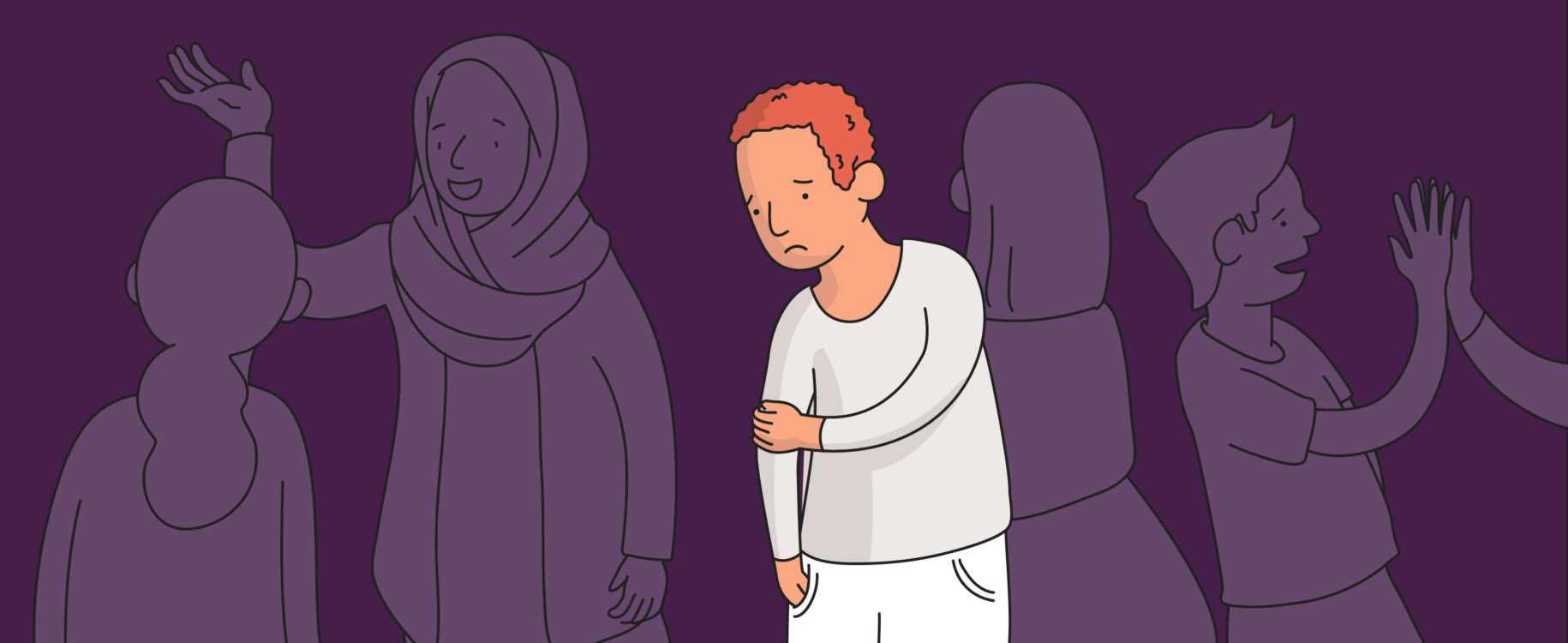
Social anxiety can make everyday interactions feel stressful, exhausting, or even impossible. You may worry about being judged, saying the wrong thing, looking awkward, blushing, shaking, sweating, stumbling over your words, or being noticed in a way that feels embarrassing.
For some people, social anxiety shows up before a presentation, date, job interview, class, meeting, or party. For others, it can affect ordinary situations like making a phone call, ordering food, joining a conversation, speaking to a coworker, asking a question, or walking into a room where people are already talking.
If you are wondering how to manage social anxiety, the goal is not to become a completely different person or force yourself to love every social situation. The goal is to understand what is happening, reduce avoidance, build practical coping tools, and feel more able to participate in life without anxiety making every decision for you.
If you are in immediate danger, call 911. If you are thinking about suicide or worried someone else may be, call or text 9-8-8 for the Suicide Crisis Helpline in Canada.
What is social anxiety?
Social anxiety is more than feeling shy or nervous sometimes. Many people feel uncomfortable before a speech, first date, interview, or difficult conversation. Social anxiety becomes more concerning when fear of judgment, embarrassment, rejection, or scrutiny starts to limit your life.
The National Institute of Mental Health describes social anxiety disorder as an intense, persistent fear of being watched and judged by others. This fear can affect work, school, relationships, daily routines, and the ability to do things that matter.
Social anxiety can affect people differently. Some people fear specific situations, such as public speaking. Others feel anxious in many different social or performance situations.
Common signs of social anxiety
Social anxiety can affect thoughts, emotions, physical sensations, and behaviour.
Common thoughts
- “Everyone is looking at me.”
- “I’m going to embarrass myself.”
- “They will think I’m awkward.”
- “I won’t know what to say.”
- “If I blush, shake, or sweat, people will notice.”
- “I sounded stupid.”
- “I should not have gone.”
Common physical symptoms
- racing heart
- blushing
- sweating
- trembling or shaking
- tight chest
- nausea or stomach discomfort
- dry mouth
- muscle tension
- feeling frozen or unable to speak
Common behaviours
- avoiding social events
- leaving early
- staying quiet even when you want to speak
- over-rehearsing what to say
- avoiding eye contact
- checking your phone to look busy
- using alcohol or substances to feel more comfortable
- replaying conversations afterward
- turning down opportunities because they involve people
These symptoms can be frustrating because they often make people feel trapped. You may want connection, friendship, dating, career growth, or more confidence, while also feeling afraid of the situations that could help you get there.
Social anxiety versus introversion
Social anxiety and introversion are not the same thing.
Introversion is often about energy. An introverted person may enjoy people but need quiet time afterward. They may prefer smaller groups, deeper conversations, or more time alone.
Social anxiety is about fear. A person with social anxiety may avoid people not because they dislike connection, but because they are afraid of judgment, embarrassment, rejection, or losing control of visible anxiety symptoms.
You can be introverted without having social anxiety. You can also be extroverted and still struggle with social anxiety.
Why social anxiety can become a cycle
Social anxiety often continues because avoidance brings short-term relief. If you skip the meeting, cancel the plan, avoid the phone call, or stay silent, your anxiety may drop for the moment.
The problem is that avoidance teaches the brain that the situation was dangerous and that escaping was the only reason you felt better. Over time, the feared situations can start to feel even bigger.
A common cycle looks like this:
- You anticipate a social situation.
- Anxious thoughts show up.
- Your body reacts with anxiety symptoms.
- You avoid, escape, or use safety behaviours.
- You feel temporary relief.
- The next social situation feels even harder.
Managing social anxiety usually means slowly changing this cycle, not forcing yourself into terrifying situations all at once.
How to manage social anxiety in the moment
When social anxiety is happening, it can feel like your body has taken over. These strategies may help you get through the moment with more steadiness.
1. Name what is happening
Try quietly telling yourself, “This is social anxiety.” Naming it can create a little distance between you and the fear.
Instead of thinking, “Something is wrong with me,” you might think, “My anxiety is reacting to this situation.” That shift matters because shame often makes anxiety stronger.
2. Slow your breathing without trying to force calm
You do not need to breathe perfectly. Try making your exhale slightly longer than your inhale.
For example:
- breathe in gently
- breathe out slowly
- relax your shoulders if you can
- repeat a few times
The goal is not to eliminate anxiety immediately. The goal is to send your body a small signal of safety.
3. Shift attention outward
Social anxiety often pulls attention inward. You may monitor your face, voice, posture, sweating, breathing, or every word you say.
Try shifting attention outward by noticing:
- what the other person is saying
- the colour of something in the room
- the sound of the conversation
- the feeling of your feet on the floor
- one detail you are curious about
This can help reduce the intense self-monitoring that often fuels social anxiety.
4. Use one simple sentence
When anxiety makes your mind go blank, having one simple sentence ready can help.
Examples include:
- “That makes sense.”
- “Can you tell me more about that?”
- “I need a second to think about that.”
- “I’m not sure, but I can follow up.”
- “That sounds interesting.”
You do not need to be impressive. You only need one small way to stay present.
Long-term strategies for managing social anxiety
Long-term change usually happens through repeated practice, not one perfect breakthrough. The following steps can help you build confidence gradually.
1. Identify what you are actually afraid will happen
Social anxiety is often specific beneath the surface. You may not only be afraid of “people.” You may be afraid of a particular outcome.
Ask yourself:
- Am I afraid of being judged?
- Am I afraid of blushing, sweating, or shaking?
- Am I afraid of saying something awkward?
- Am I afraid people will think I am boring?
- Am I afraid of being rejected?
- Am I afraid of conflict?
- Am I afraid I will panic and not be able to leave?
The more clearly you understand the fear, the easier it becomes to work with it.
2. Watch for safety behaviours
Safety behaviours are things you do to feel protected from embarrassment or judgment. They may help in the short term, but they can keep anxiety going because you never learn that you can handle the situation without them.
Common safety behaviours include:
- avoiding eye contact
- rehearsing every sentence
- speaking as little as possible
- checking your phone repeatedly
- only going places with a “safe” person
- wearing clothing specifically to hide sweating or blushing
- over-apologizing
- using alcohol to get through social events
You do not have to drop every safety behaviour at once. Start by noticing them. Then experiment with reducing one small behaviour in a manageable situation.
3. Build a gradual exposure ladder
Exposure is not about throwing yourself into the hardest situation and hoping for the best. It works best when it is gradual, planned, repeated, and connected to what matters to you.
A social anxiety exposure ladder might include steps like:
- making brief eye contact with a cashier
- saying hello to a neighbour
- asking a simple question in a store
- sending a message to someone you have avoided
- making a short phone call
- joining a small group conversation for five minutes
- speaking once in a meeting
- attending a social event for 30 minutes
- giving a short presentation
The goal is to practise facing fear in small enough steps that your nervous system can learn. If the step is too easy, it may not teach much. If it is too overwhelming, you may avoid it. The right step is challenging but possible.
4. Challenge anxious predictions
Social anxiety often makes predictions that feel true, even when they are not fully accurate.
Common predictions include:
- “Everyone will notice I am anxious.”
- “If I pause, people will think I am stupid.”
- “If I make a mistake, they will remember forever.”
- “I cannot handle embarrassment.”
- “People will reject me if I am awkward.”
Try asking:
- What is the evidence this will happen?
- What is the evidence against it?
- Has this happened before, or is anxiety predicting it?
- If it did happen, could I cope?
- What would I say to a friend who had this fear?
The goal is not forced positive thinking. The goal is more balanced thinking.
5. Reduce post-event rumination
Many people with social anxiety replay conversations after they happen. You might review your tone, facial expressions, word choice, pauses, or whether someone seemed bored.
This can make anxiety stronger because the brain treats the event like a mistake to solve.
After a social situation, try asking:
- What went better than I expected?
- What did I handle, even if it felt uncomfortable?
- What is one thing I learned?
- What would be a fairer interpretation?
- Can I let this be imperfect and move on?
If you catch yourself replaying the same moment repeatedly, gently redirect your attention to something concrete, such as a task, a walk, music, or a grounding exercise.
6. Practise social skills without judging yourself
Sometimes social anxiety improves when people practise simple social skills in low-pressure ways.
Examples include:
- asking open-ended questions
- sharing one small detail about yourself
- ending a conversation politely
- making a request
- saying no without over-explaining
- allowing pauses in conversation
Social skills are skills. They can be practised. You do not need to be naturally outgoing to build confidence.
7. Support your body
Social anxiety is not only mental. It affects the body too.
It may help to pay attention to:
- sleep
- caffeine
- alcohol or substance use
- regular meals
- movement
- downtime after demanding social situations
- stress levels
These basics do not cure social anxiety, but they can make your nervous system less reactive.
What not to do with social anxiety
It is understandable to want social anxiety gone immediately, but some common responses can make it worse over time.
Try not to:
- wait until you feel completely confident before doing anything
- avoid every uncomfortable situation
- criticize yourself for having anxiety
- force yourself into overwhelming situations without support
- use alcohol or substances as your main coping strategy
- measure success by whether you felt anxious
- assume one awkward moment means you failed
A better measure of success is whether you moved toward something important, even while anxious.
How social anxiety can affect work, school, and relationships
Social anxiety can affect more than parties or public speaking. It can shape major parts of life.
At work or school, social anxiety may make it hard to:
- ask questions
- speak in meetings
- give presentations
- network
- interview for jobs
- participate in class
- ask for help
- share ideas
In relationships, social anxiety may make it hard to:
- meet new people
- date
- start conversations
- be emotionally open
- set boundaries
- handle conflict
- believe people actually like you
If social anxiety is limiting your life, it may be time to get support. You do not need to wait until things feel unbearable.
When should you seek therapy for social anxiety?
Consider therapy if social anxiety is affecting your daily life, relationships, work, school, confidence, or wellbeing.
Support may be especially helpful if:
- you avoid important situations because of anxiety
- you feel lonely but afraid to connect
- you replay conversations for hours or days
- you use alcohol or substances to cope socially
- you struggle with panic symptoms in social settings
- you turn down opportunities because of fear
- you feel ashamed, stuck, or exhausted by social anxiety
- your anxiety is contributing to depression or isolation
You can learn more about support for anxiety at Your Counselling if social anxiety is affecting your life.
How therapy can help with social anxiety
Therapy can help you understand the patterns that keep social anxiety going and build practical ways to respond differently.
Depending on your therapist and goals, counselling may include:
- understanding your specific fears
- identifying avoidance and safety behaviours
- challenging anxious predictions
- building a gradual exposure plan
- practising communication and boundary skills
- reducing post-event rumination
- working with shame and self-criticism
- addressing anxiety, depression, trauma, or low self-worth that may overlap
Cognitive behavioural therapy, often called CBT, is commonly used for social anxiety. CBT may include exposure-based work, where you gradually practise feared situations in a planned and supported way.
Therapy is not about forcing you to become loud, outgoing, or constantly social. It is about helping you have more freedom and choice.
Can online counselling help with social anxiety?
Online counselling can be a good fit for some people with social anxiety, especially if attending in person feels like too much at first or if travel, time, or privacy are barriers.
Virtual therapy may help you start building trust with a therapist from a familiar setting. Over time, therapy can still work toward real-life social goals outside the session.
If virtual support feels like a better starting point, you can read more about how online therapy works or visit our online counselling page.
How to support someone with social anxiety
If someone you care about has social anxiety, support can make a difference.
Helpful support may include:
- listening without minimizing their fear
- not calling them rude, lazy, or antisocial
- asking what support would help
- encouraging small steps instead of pushing too hard
- celebrating effort, not just visible success
- understanding that avoidance is often fear-based, not a lack of caring
Try not to take over every social task for them. It can help in the moment, but it may accidentally reinforce avoidance. Support works best when it encourages manageable steps toward confidence.
How to manage social anxiety: a quick recap
- Social anxiety is more than shyness. It often involves fear of judgment, embarrassment, rejection, or being noticed.
- It can affect thoughts, physical symptoms, behaviour, work, school, relationships, and daily life.
- Avoidance can reduce anxiety in the short term but often keeps social anxiety going over time.
- Helpful strategies include naming anxiety, shifting attention outward, reducing safety behaviours, challenging anxious predictions, and practising gradual exposure.
- Therapy can help you understand the social anxiety cycle and build a plan for change.
- Online counselling may be a useful starting point for some people.
If social anxiety is making life feel smaller, you do not have to manage it alone. Your Counselling offers anxiety support, individual counselling, and online therapy options for people who want help building confidence and reducing avoidance.
You can book a free consultation to talk with our Client Care Team about your needs and get matched with a therapist who fits what you are looking for.
Frequently asked questions about social anxiety
How do I manage social anxiety?
You can manage social anxiety by understanding your triggers, reducing avoidance, challenging anxious predictions, practising gradual exposure, using grounding skills, and seeking therapy when anxiety is limiting your life. Change usually happens through small, repeated steps rather than one dramatic breakthrough.
What causes social anxiety?
Social anxiety can develop from a mix of biological, psychological, social, and life experience factors. These may include temperament, genetics, past embarrassment or bullying, family patterns, trauma, learned avoidance, or repeated fear of judgment. The cause is not always one single event.
Is social anxiety the same as being shy?
No. Shyness is a common personality trait or temporary discomfort. Social anxiety is more intense and can interfere with work, school, relationships, daily routines, and the ability to participate in situations that matter.
Can social anxiety go away?
Social anxiety can improve with the right support and consistent practice. Many people learn to reduce avoidance, manage anxious thoughts, build confidence, and participate more fully in social situations. Therapy can help create a structured plan for change.
What type of therapy helps social anxiety?
Cognitive behavioural therapy, often called CBT, is commonly used for social anxiety. It may include identifying anxious thoughts, reducing safety behaviours, practising gradual exposure, building coping skills, and learning new ways to respond to feared social situations.
Can online therapy help social anxiety?
Online therapy can help some people with social anxiety, especially if attending in person feels difficult at first. A therapist can help you understand your anxiety patterns, practise coping tools, and work toward real-life social goals outside the session.
When should I get help for social anxiety?
Consider getting help if social anxiety causes avoidance, loneliness, panic symptoms, low self-worth, difficulty at work or school, relationship problems, or missed opportunities. You do not have to wait until anxiety feels unbearable before reaching out.